Over the past month, the Loan Market Association undertook a series of strategic visits to Brussels, Paris and Frankfurt, led by our CEO, Scott McMunn and EU Regulatory & Public Affairs Manager, Evelien Alblas. These engagements form part of the LMA’s ongoing effort to deepen dialogue with policymakers, supervisory authorities and central banks across Europe. At a time of rapid regulatory evolution and heightened focus on market resilience, the programme of visits provided an invaluable and timely opportunity to reinforce the perspectives of the European loan market, and to ensure that our members’ voice remains clearly heard in discussions shaping the future of European finance.
Across all three cities, conversations centred on key priority areas for the LMA and its members: sustainable finance, the implementation of CRD6, securitisation markets, the Savings and Investment Union, and the continuing growth of private markets and direct lending. These meetings reaffirmed the essential contribution of the loan market to financing European companies and highlighted the need for proportional, coherent regulatory frameworks that preserve market depth and enhance resilience.
Brussels: Policy Formation at a Pivotal Juncture
The first leg of the trip took the LMA to Brussels, where we met with representatives from key EU institutions responsible for shaping the regulatory landscape. With several major legislative files progressing through the EU pipeline, the timing of these discussions could not have been more relevant.

Sustainable finance featured prominently across all meetings. Policymakers acknowledged the increasing sophistication of the loan market’s sustainability-linked structures and recognised the LMA’s role in promoting high standards, transparency and robust documentation. The LMA reiterated that regulatory initiatives must remain workable for borrowers and lenders alike, striking the right balance between ambition and practicality. Constructive conversations were held on the future direction of the Sustainable Finance Disclosure Regulation, corporate sustainability reporting, and transition finance.
Securitisation remains high on the agenda, with the EU institutions currently negotiating changes to the EU securitisation framework. The LMA highlighted the importance of maintaining a well-calibrated and globally competitive regime that supports efficient risk transfer and is aligned with international standards.
Brussels also provided the opportunity to attend EFAMA’s annual Investment Management Forum. This event offered valuable connectivity with peer trade bodies across the financial sector and reinforced the importance of cross-industry alignment on issues such as sustainable finance and capital markets development. Discussions highlighted shared priorities around regulatory coherence, transparency and market resilience, and further strengthened the LMA’s relationships with organisations whose work intersects closely with loan market activity. These touchpoints will support ongoing collaboration as European policymakers consider reforms affecting both bank and non-bank financing channels.
Paris: Engagement with Supervisors and Central Banking Officials
The LMA’s visit to Paris focused on supervisory authorities and central banking bodies that play a significant role in shaping prudential expectations and market oversight. Meetings explored how supervisory priorities are shifting in response to macroeconomic developments, the increasing role of private markets and emerging risks across credit portfolios.

A key theme was the supervisory treatment of Global Systemically Important Institutions and the growing emphasis on ensuring banks’ credit risk management frameworks remain resilient. The LMA stressed that supervisory expectations must be proportionate and cognisant of the differing business models within the syndicated loan market. The dialogue was constructive and demonstrated a shared commitment to ensuring that supervisory practices remain risk-sensitive and grounded in economic substance.
CLOs) formed an important component of the Paris conversations. Regulators and market participants alike recognise CLOs as a key channel for financing European corporates, particularly in the leveraged finance and mid-market segment. The LMA highlighted the strong historical performance of CLOs, the robustness of their structures and their contribution to diversification and market stability. Discussions also examined how regulatory interpretations affect issuance levels and what may be required to support deeper, more liquid markets.
Sustainable finance again featured prominently. French stakeholders reaffirmed their commitment to global leadership in green and transition finance, while the LMA outlined where greater harmonisation with other international frameworks could enhance clarity for borrowers and lenders. There was broad alignment on the need for frameworks that remain flexible enough to support companies at varying stages of their transition.
The discussions also covered the upcoming stress testing initiatives to be carried out to allow key stakeholders to get perspectives on any emerging systemic risks.
Frankfurt: Anchoring Dialogue with Supervisory and Central Banking Institutions
The final stage of the trip brought the LMA to Frankfurt, home to some of Europe’s most influential supervisory and central banking institutions. These meetings offered further opportunity to explore prudential regulation, the evolving role of private markets and the relationship between bank and non-bank financing.
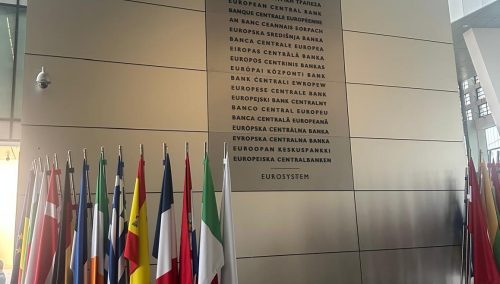
CRD6 featured prominently, with particular attention given to implementation timelines and approach. The LMA reiterated that regulatory changes should avoid inadvertently restricting the flow of credit to European businesses. Institutions acknowledged the challenge of balancing enhanced prudential safeguards with the need to preserve healthy loan market functioning, and the LMA will continue to support constructive engagement as technical standards develop.
Frankfurt meetings also addressed private credit and the increasing interconnectedness of bank and non-bank markets. The LMA emphasised that private markets have become a structural component of European financing. Dialogue was positive and reaffirmed recognition of the important role private markets play in supporting investment and economic growth.
Securitisation was discussed in the context of capital management and risk transfer. Central bank officials expressed a strong interest in how securitisation can contribute to a more efficient financial system. CLOs were considered within this broader conversation, with further acknowledgement of their resilience, transparency and value to both bank and non-bank investors.
Advancing the LMA’s Mission
Across Brussels, Paris and Frankfurt, the message was clear: the loan market is integral to financing the European economy, and sustained collaboration between market participants and policymakers is vital. These discussions reaffirmed the respect that supervisory bodies and central banks have for the LMA’s expertise and its role as a trusted, authoritative voice for the industry.
The trip underscored broad alignment on shared objectives, including enhancing market transparency, supporting sustainable finance, ensuring proportionate yet robust prudential frameworks, and enabling the continued evolution of securitisation and private markets. It also reinforced the importance of ongoing engagement as Europe navigates an increasingly complex regulatory environment.
The LMA will continue to advocate for policies that safeguard resilience while enabling markets to function effectively. This series of visits marked a meaningful step in strengthening relationships, broadening collaboration and ensuring that the perspectives of the loan market remain central to regulatory discussions across Europe.