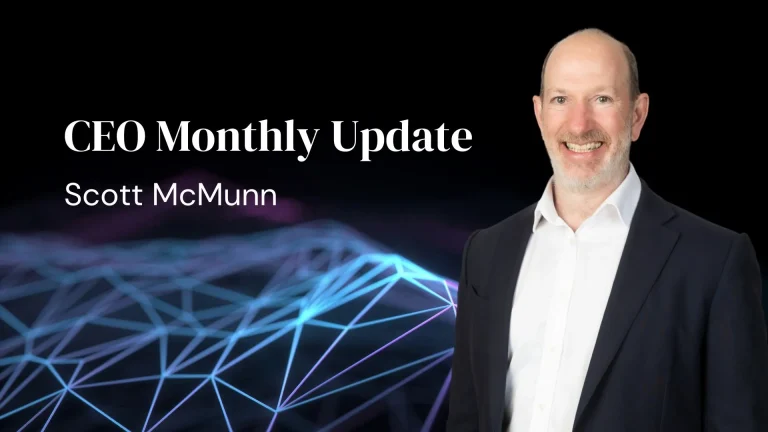
Just over a year ago, FutureLend was a new concept aligned with the LMA’s commitment to supporting the next generation of professionals in the loan markets. Since then, it has developed into one of the LMA’s most successful initiatives, with three well-attended conferences held to date with more than 300 nominated attendees – the most recent taking place in London on 13 May 2025.
From the beginning, the aim for FutureLend was to create more than just another industry event. The goal was to provide a platform where junior professionals could engage directly with market leaders, their peers, ask questions, and gain practical insight into what it means to lead in a constantly evolving loan market. Each event has reinforced that there is a strong appetite among the next generation to learn, connect, and contribute.
What Does It Take to Lead? A 360° View of Leadership in the Loan Markets
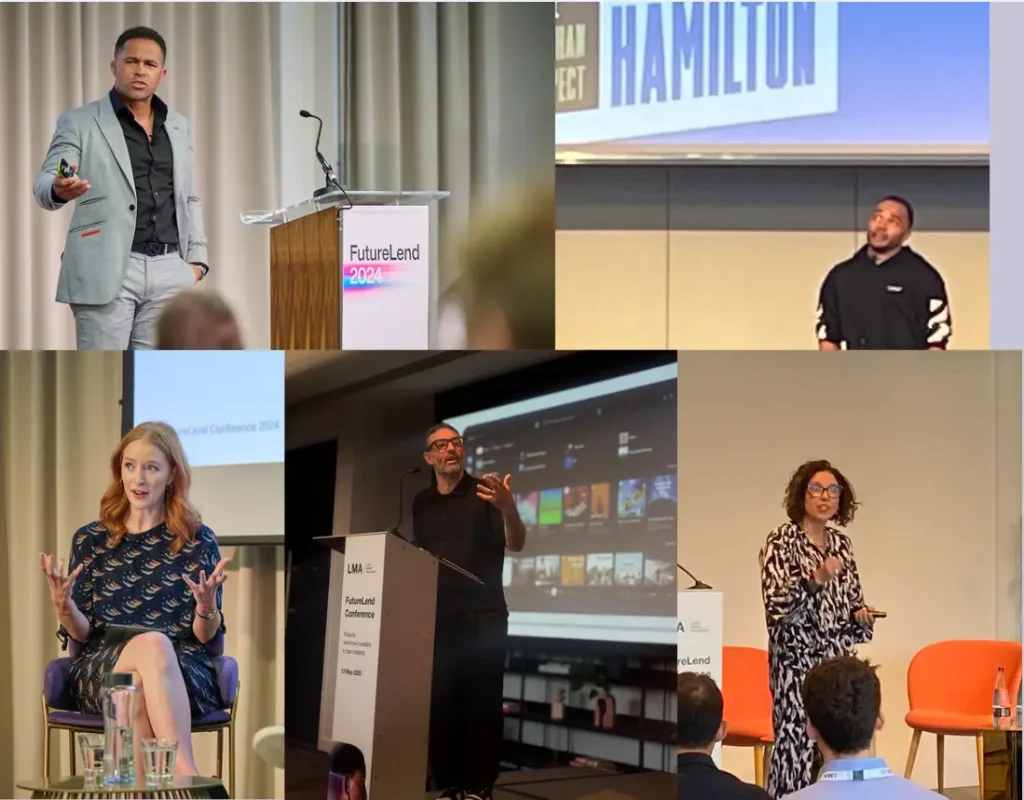
The agenda is deliberately curated to explore the loan markets from multiple perspectives – buy side, sell side, legal, investment, and fintech. But it also goes beyond the traditional lens. Why? Because succeeding in the loan markets requires more than technical understanding; it demands vision, innovation, and the ability to translate strategic thinking into real-world decisions. That’s why we invite guests from outside the industry—musicians, authors, athletes, journalists—to share their stories.
This year, we opened the conference with Nick Raphael, music executive and entrepreneur, who set the tone by reminding us that storms are inevitable in any industry, but staying relevant means learning to brave them. The message was simple: Be relevant today. Adapt tomorrow.
Have a view of all our non loan-related speakers!
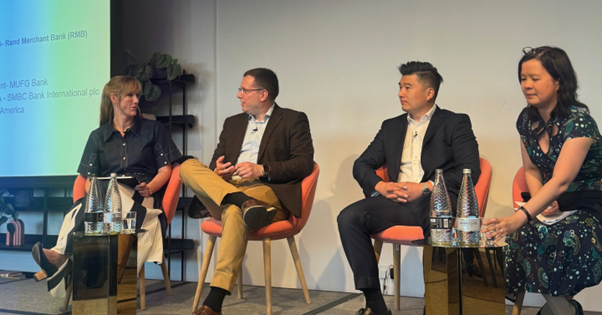
Is Lending an Attractive Career?
This question remains central to the conversation, particularly for those at the start of their careers or contemplating their next move. At FutureLend 2025, we addressed it head-on with a panel featuring Miranda Abraham (Rand Merchant Bank), Stuart McIntosh (SMBC Bank International plc), James Zhao (Bank of America), and Wenying Li (MUFG).
The consensus? It depends. For some, lending offers a fulfilling long-term path: intellectually stimulating, rooted in strategic client engagement, and central to economic impact. For others, it serves as a powerful springboard—providing the commercial acumen, network, and deal experience necessary to transition into adjacent sectors of finance.
Key reflections included:
- Careers are not linear. Uncertainty and change are part of growth.
- Curiosity matters more than certainty. Rotations, secondments, and cross-functional exposure are vital.
- Relationships are foundational. Networking is not transactional; it’s about learning and authentic engagement.
So, is lending an attractive career? Absolutely—provided it’s approached with openness, adaptability, and a willingness to ask questions.
In a market shaped by constant change, staying curious—and connected—is perhaps the most powerful strategy of all.
How to Build a Personal Brand in Finance
What does your personal brand say about you? How do you want to be remembered?
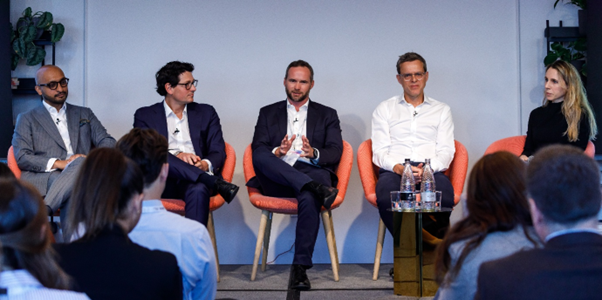
In today’s competitive landscape, technical skills are only part of the equation. Personal branding, particularly for those in early to mid-career stages, is a critical differentiator.In our panel with Kelly Heimrich-Doganay (Deutsche Bank), Daren Blaker (FMCR), Julien Suche (Pemberton Capital Advisors LLP), Rory Smith (Brickfield) , and Benny Zachariah (J.P. Morgan), we explored personal branding in depth.
Key reflections included:
- Be the “go-to” person. Showcase confidence, reliability, and depth in your area.
- Maintain visibility. Use LinkedIn as a professional journal—not a personal one.
- Know your value proposition. Understand what sets you apart and communicate it clearly.
- Craft your elevator pitch. Be concise about what you do, why it matters, and how it contributes to the bigger picture.
As James Clear says in Atomic Habits: “Every action you take is a vote for the type of person you wish to become.”
And the role of LinkedIn is todays world was discussed. Leverage it to build meaningful connections, nurture your network, and reinforce your expertise—especially beyond your immediate team or organisation.
The Role of Tech & AI in Lending: What’s Next?
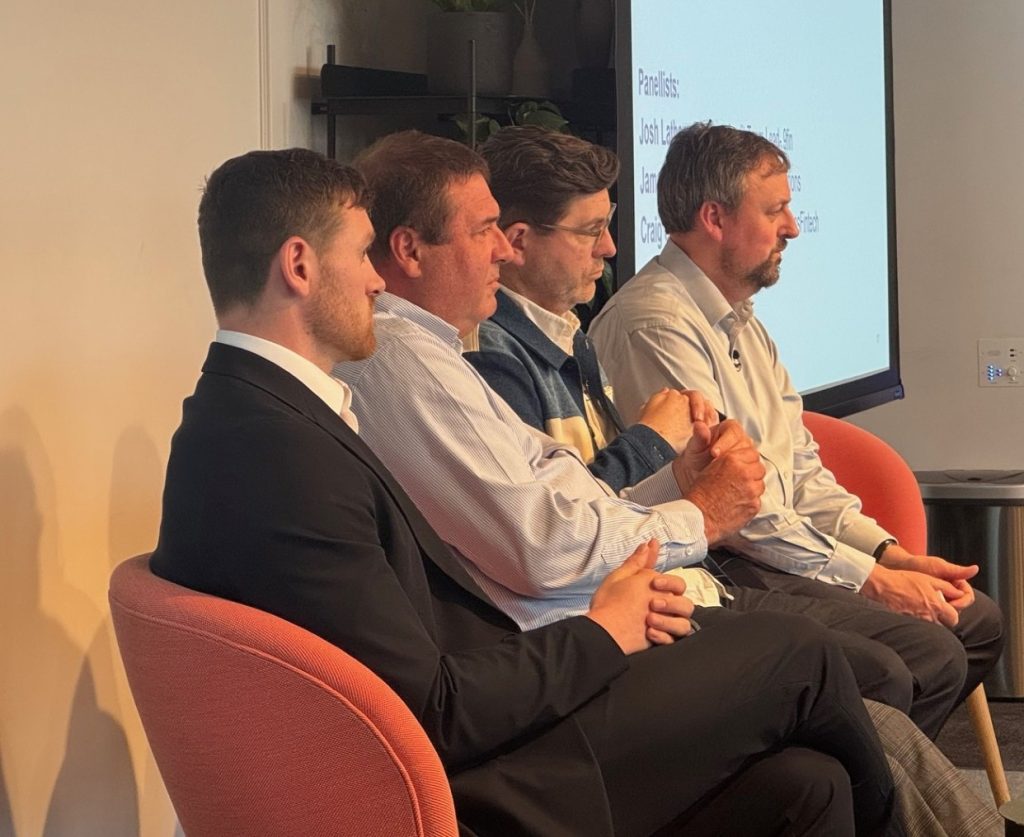
Like all other industries, loan markets are also impacted by technology and AI. Doug Laurie (Barclays Bank Plc), Craig Sterling (AccessFintech), James Mellor (Oneiro Solutions), and Josh Latham (9fin) joined forces to unpack where AI and tech are taking us.
Key themes included:
- Innovation is accelerating. Lending may have historically lagged behind—but the gap is closing.
- Data is the new currency. Real-time data and API unification will define the next frontier in credit decisioning.
- Interoperability is critical. Efficient ecosystems demand seamless information exchange.
- AI will enhance, not replace. The value lies in augmentation—enabling professionals to make faster, better decisions.
AI won’t replace professionals—it will enhance them. Those who adapt early will lead. Read more on the impact of AI on the loan markets in our blog: AI in the Loan Markets: Opportunities, Risks, and the Road Ahead – LMA- Loan Market Association
Diversity of Thought: More Than a Buzzword
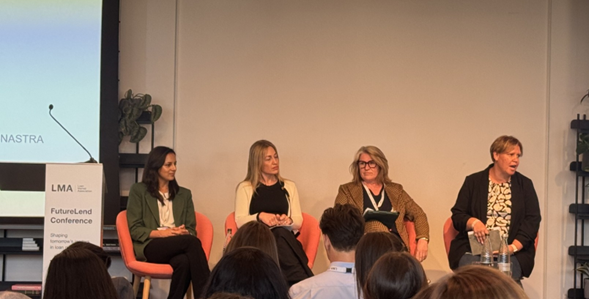
True diversity isn’t only about gender or background—it’s fundamentally about how we think. We explored this idea in depth during a powerful panel discussion featuring Helen Orton (Temenos), Sandrine Markham (Finastra), Laura Pendakis (KPMG Abogados), and Kamal Dalal (Latham & Watkins LLP). The session focused on the importance of cognitive diversity and why diverse thinking is essential for innovation and effective leadership in the loan markets.
To gauge audience perspective, we asked attendees to define cognitive diversity1. The response was unanimous: it is about differences in thinking styles, problem-solving approaches, and perspectives—not simply demographic characteristics such as race, gender, or background. This clarity underscores a growing recognition in the industry that diversity of thought is a critical asset in today’s complex, fast-changing world.
We also asked attendees to consider what they believe is most valuable to their career development.2 Overwhelmingly, mentoring and coaching emerged as the top choice, far ahead of other options. These insights reaffirm a clear message:
- Diverse teams drive better outcomes. Different problem-solving styles foster robust decision-making.
- Innovation thrives on challenge. Cognitive diversity encourages constructive dissent and fresh perspectives.
- Culture matters. Leadership must champion inclusion—not just in hiring, but in how ideas are heard and decisions are made.
The conversation at FutureLend reinforced that investing in people—through authentic mentorship, meaningful sponsorship, and an openness to different ways of thinking—is not just good practice, but the foundation of a stronger, more dynamic loan market. The future of our industry will be shaped by those willing to embrace difference, elevate others, and build careers through connection, not competition.
Lessons in Leadership from Robert Novembre (CBGM)
We kicked off the afternoon with an engaging fireside chat featuring Robert Novembre (CBGM), who offered a candid and inspiring look into his journey through the financial world.
From navigating the turbulence of the global financial crisis to forging enduring professional relationships, Robert shared not only the milestones of his career but the mindset that carried him through them.
His reflections were rich with insight—rooted in experience, humility, and a deep understanding of what it truly means to lead. Among the key lessons he left us with:
- Trust takes time. It cannot be rushed or manufactured. True trust—whether with clients, colleagues, or yourself—must be earned consistently.
- Luck matters. But so does preparation. While moments of good fortune may open doors, it’s the hard work behind the scenes that ensures you’re ready to walk through them.
- You will fall. Failure is inevitable. What matters is how you respond. Resilience, reflection, and the willingness to get back up are the real markers of leadership.
- Your goals may change. As your career evolves, so too might your definition of success. But your integrity—your core values—should remain constant.
And perhaps his most enduring piece of advice? Enjoy the ride.
In an industry often defined by high pressure and long hours, Robert’s reminder to find fulfilment, stay grounded, and appreciate the journey resonated deeply.
His words were a powerful close to a day centred on growth, connection, and the future of finance—not just as a profession, but as a platform for purpose-driven leadership.
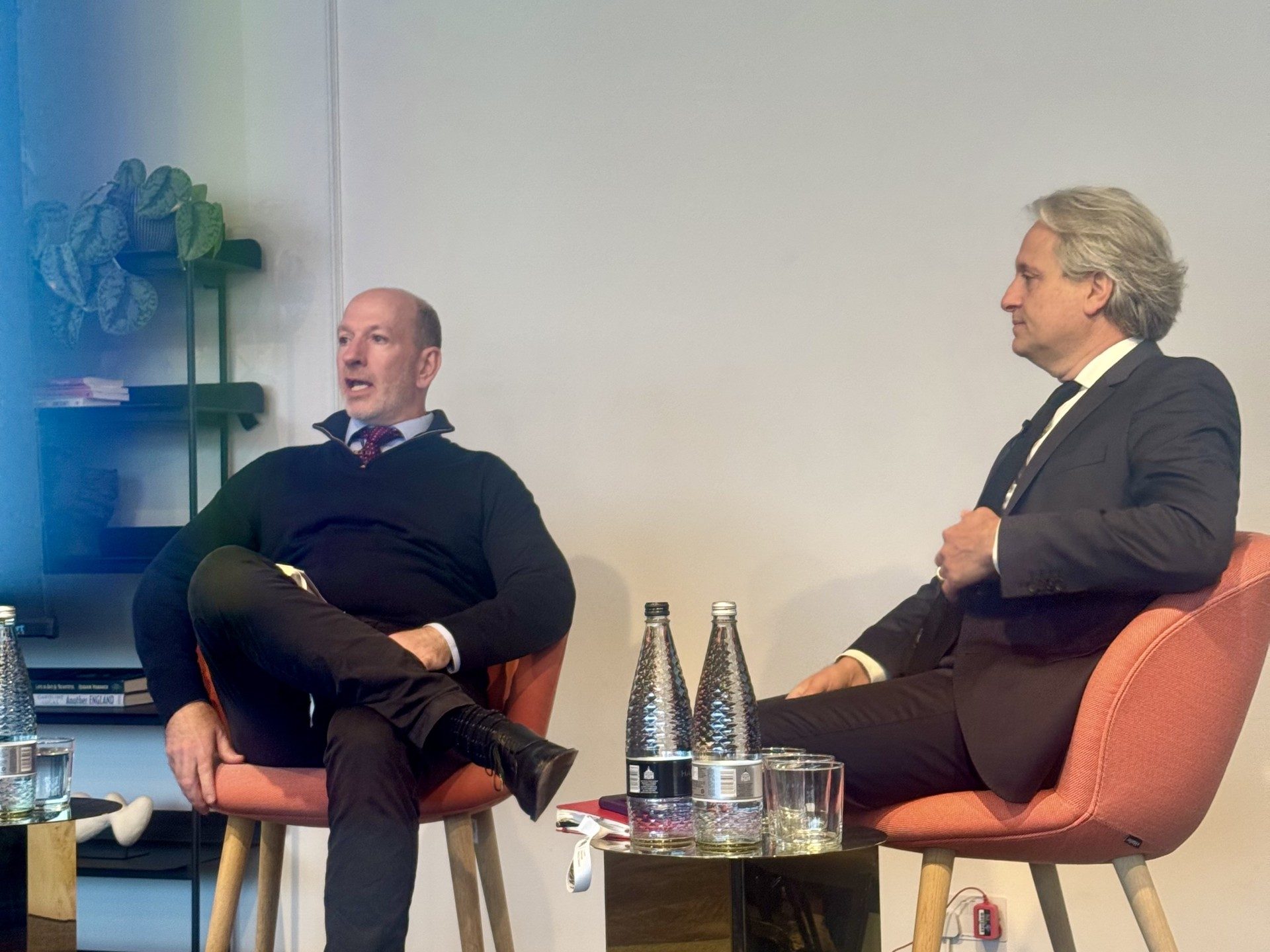
Left to right: Scott McMunn (LMA), Robert Novembre (CBGM)
Final Reflections: You Have (far!) More Power Than You Think
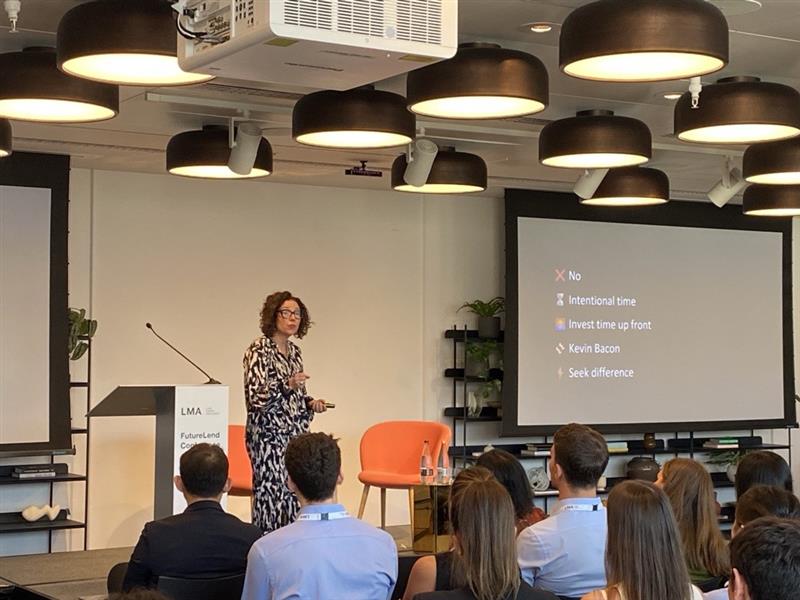
Christine Armstrong reminded us that we all have more power than we think. Learn not to give time away freely and focus on what you really need to build to achieve your goals. Lastly, energy matters and is contagious. So, step in your potential and unlock the unknown.
FutureLend was created to equip the next generation with the tools, confidence, and community to thrive in the loan markets. But what we’ve found along the way is even more valuable: you already have the potential. Our role is simply to help you unlock it.
So what does it take to lead the future of lending?
Curiosity. Grit. Adaptability. Community. And most of all—belief in yourself.
To stay informed about the upcoming FutureLend and to stay connected with the FutureLend Alumni please join https://www.linkedin.com/groups/13036141/
Until next time, lets stay connected on the FutureLend Alumni
Loan Market Association
Poll 1: “Which of the following statements best describes cognitive diversity?”
C) Diversity in physical abilities and disabilities – 0%
A) Diversity based on demographic facts like race or gender – 0%
B) Diversity in thinking styles, problem solving approaches and perspectives – 100%
Poll 2: “Which of the following are most valuable to your career path?”
A) Mentoring/Coaching – 57.7%
B) Sponsorship – 13.5%
C) In-house training – 5.8%
D) Placements – 3.8%
E) Networking – 19.2%